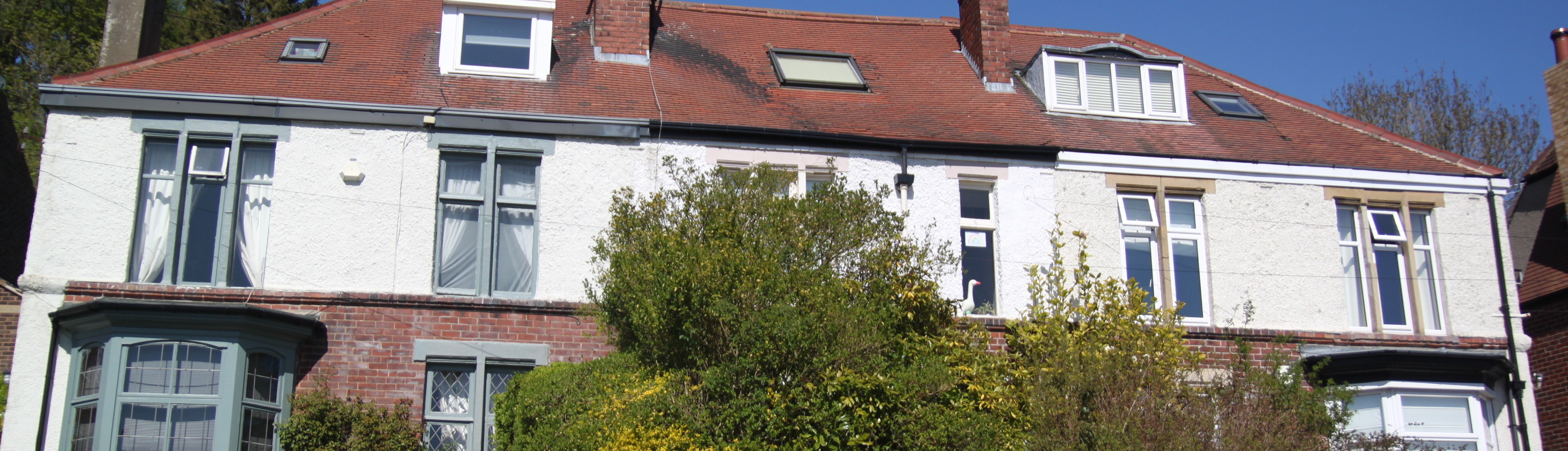
On a hot afternoon in June 2026, we were given a group tour of Oak Brook House and Oak Brook stream by Gerard Bonner, former history teacher and head of VI form at Notre Dame High School. Gerard very kindly agreed to show us around the site and share his extensive knowledge and affection for the buildings and the landscape in which they sit. The group is grateful to Gerard for organising for his excellent tour for us. We’re also grateful to the staff at Notre Dame who enabled us to be on the site.
Here is a link to Alan’s summary of the history of the site: Oak Brook History to 1922
Here are some photos taken by the group and a couple of images from other sources:
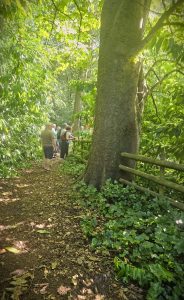
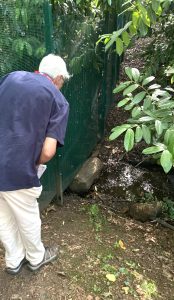
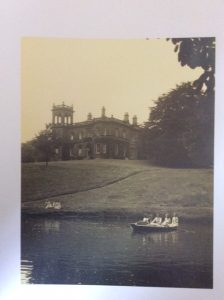
The first picture is of the woodland path which runs along the bank of the Oak Brook and the second shows where the brook runs beneath a boundary fence. The 3rd picture is of the boating lake, c.1936, which was fed by the Oak Brook. The lake, or pond, has become quite silted up but is still visible.
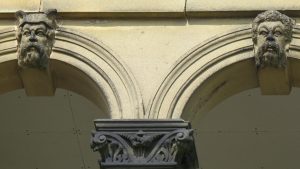
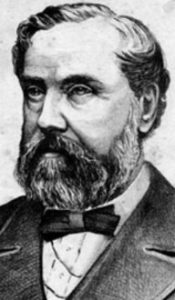
On the left is a photo of the decorative stone carvings which it is said were designed in the image of Mark Firth. A portrait of Firth, from picturesheffield.com, picture reference s08342 is on the right.
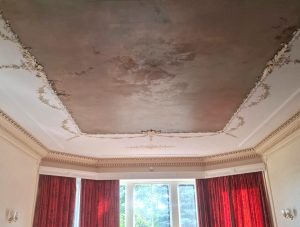
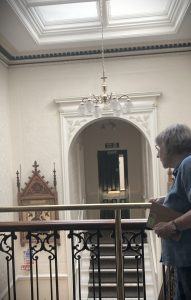
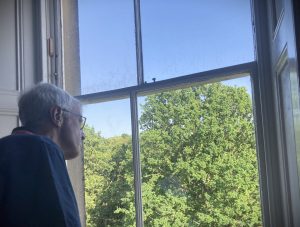
Some images of the interior of the house: the painted cherub ceiling, one of the staircases and a view from the window of a magnificent oak tree which may date from Firth’s time. The decorative details of each room indicated their original purpose, in particular the coving which was highly ornamented in some rooms but plain in others.
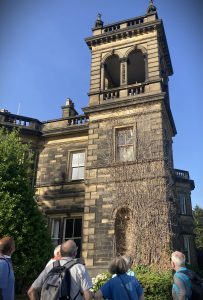
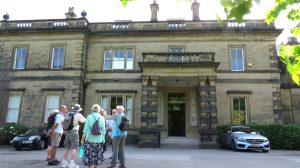
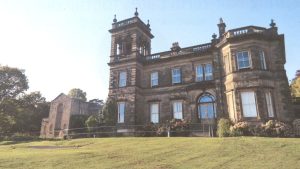
Finally, some views of the exterior of Oak Brook House: the west-facing side of the Italianate tower, the east-facing entrance porch and a view of the south-facing side of the house, which looks out across the unbroken greenery of the Porter Valley and beyond. Presumably, this view has changed little over the 150 or so years since the Firths made Oak Brook their home.
It was notable how the site and its buildings have adapted to significant changes of use and occupation over the years. Yet there still remained plenty of evidence of Oak Brook House as a home for the Firths and later for the Laycocks. This includes the servants’ bells, the old electric box and iron oven set into a wall, as well as the dramatic Italianate tower and ‘monkey puzzle tree’ – both typical of the Victorian era.